For many investors, buying a completed property feels like the obvious choice. The building is finished. The architecture can be inspected in person. The surrounding area is already established, and there is less uncertainty about what the final product will look like. At first glance, it appears to be the safer option.
Off-plan property, on the other hand, is often associated with waiting. Buyers are investing in a vision that has yet to become reality, placing their confidence not only in the project itself but also in the team responsible for delivering it.
Because of this, completed properties are frequently perceived as lower risk, while off-plan developments are viewed as opportunities that require greater patience. Yet across many real estate markets around the world, some of the strongest investment outcomes have come from properties purchased long before construction was completed.
The difference is not simply whether a property is completed or off-plan. It is understanding what creates value over time.
Timing Can Influence Value 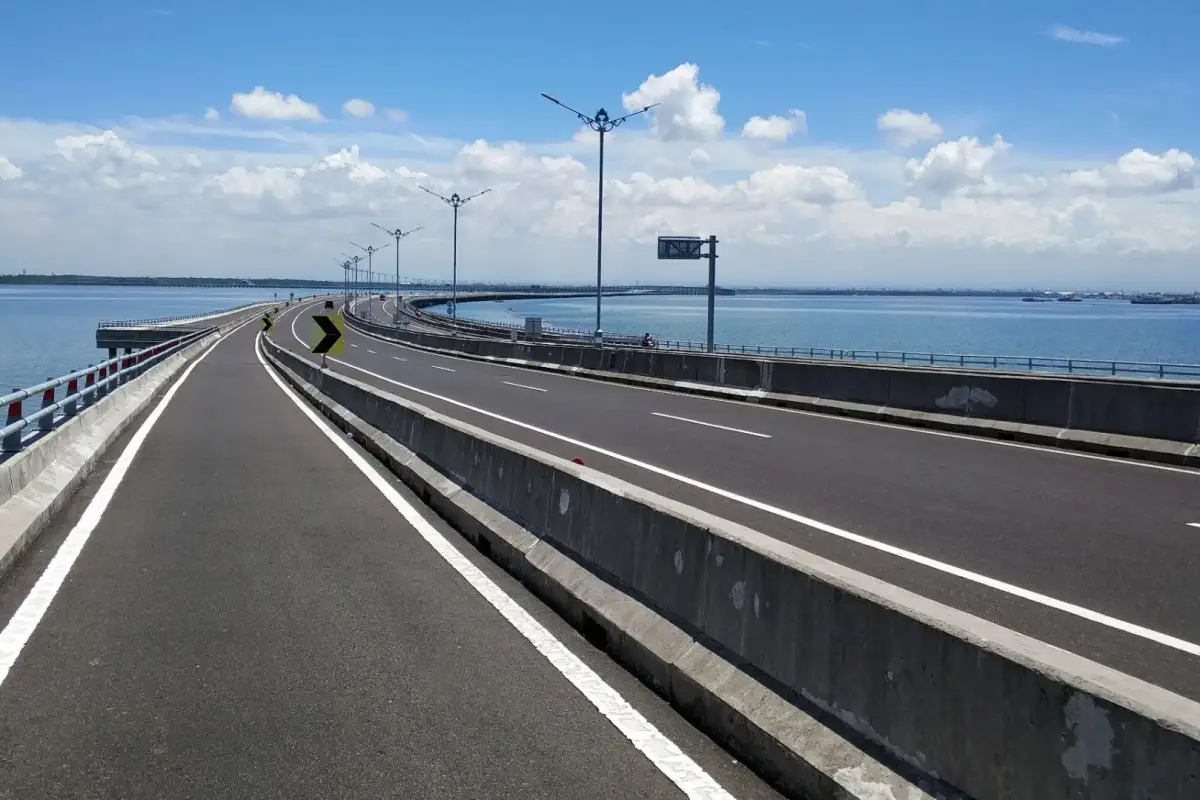
Property markets move in cycles. As destinations develop, infrastructure improves, and demand grows, property values often change alongside them. Investors who enter a project earlier in its development journey sometimes benefit from this progression as construction advances and the surrounding destination continues to evolve.
This does not happen with every project, nor should it be expected automatically. Rather, it reflects the relationship between timing and market growth.
Buying at an earlier stage may provide access to pricing that reflects today's market conditions rather than tomorrow's. As the project moves closer to completion, and as confidence in both the development and the destination increases, the property's value may evolve accordingly.
For many investors, this potential is one of the key attractions of off-plan opportunities.
Flexibility Can Be An Advantage
Another reason some investors are drawn to off-plan developments is the flexibility they can offer throughout the purchasing process. Rather than requiring the full investment upfront, many off-plan projects are structured with staged payment schedules that align with construction progress.
This approach can provide buyers with greater financial flexibility while allowing them to plan their investment over a longer period.
For investors managing multiple assets or building a diversified portfolio, this structure can become an important consideration. The focus shifts from simply acquiring a property to managing capital more strategically throughout the investment journey.
Not Every Off-Plan Project Performs The Same
While off-plan investments can present attractive opportunities, it is important to recognise that they are not all created equal. Success depends on far more than purchasing early. The quality of the developer, the strength of the location, the project's long-term vision, and the demand for the destination all influence how an investment performs.
An early purchase in the wrong location or within a poorly executed project may not deliver the outcome an investor expects. developments may provide greater peace of mind.
The choice is not about determining which option is universally better. It is about understanding which approach aligns more closely with an investor's objectives, timeline, and appetite for risk.
Looking Beyond The Building 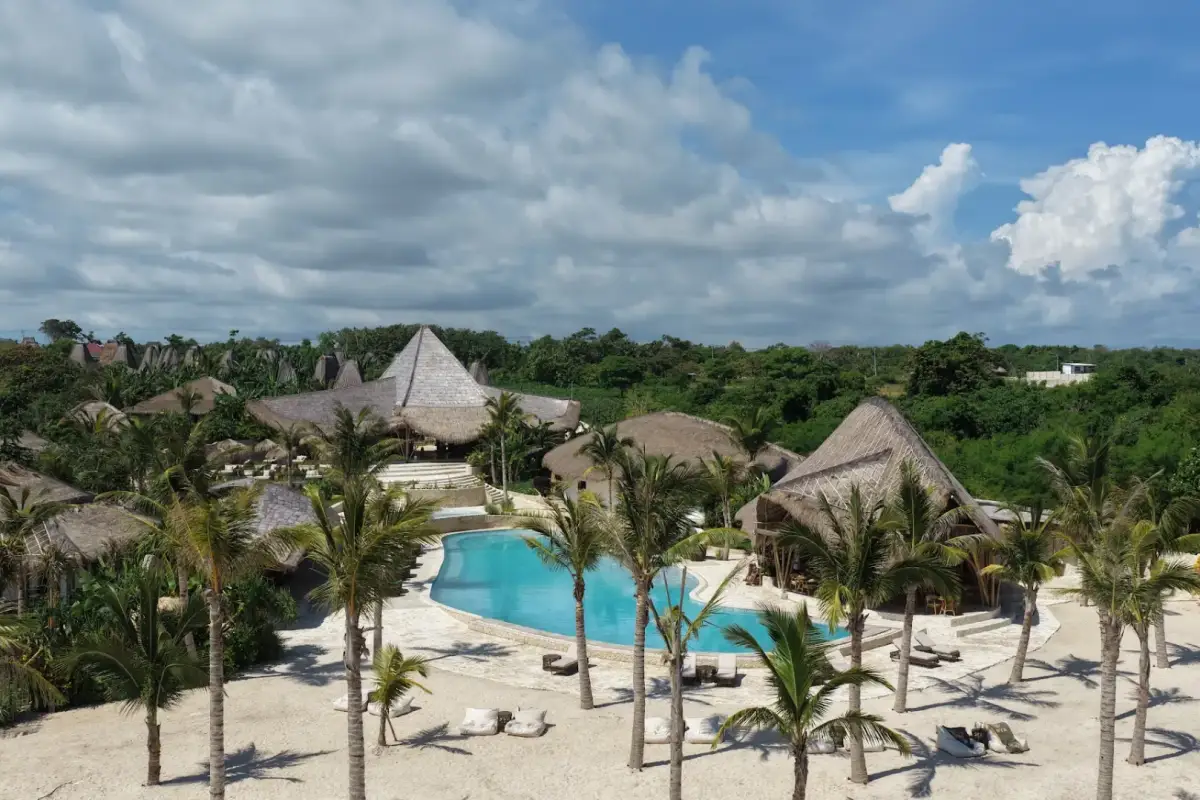
Whether a property is completed or still under construction, the building itself is only one part of the investment. Long-term performance is shaped by factors that extend well beyond construction.
Tourism demand, hospitality standards, infrastructure improvements, accessibility, destination reputation, and professional management. These elements continue influencing a property's performance long after the final finishes have been installed.
Experienced investors recognise that successful real estate is rarely defined by construction alone. It is shaped by the environment surrounding the asset and the systems that support it over time.
Asking Better Questions
Instead of asking whether off-plan or completed property is the better investment, a more valuable question may be:
What conditions are most likely to create long-term value?
The answer is rarely found in a single brochure or construction timeline. It comes from understanding the destination, evaluating the developer, assessing tourism demand, and considering how the property will perform once it becomes part of a living, evolving hospitality market.
For some investors, that journey begins with a completed property. For others, it begins long before the first guest checks in. Neither approach is inherently right or wrong.
What matters most is making an informed decision based on the fundamentals that support sustainable growth rather than assumptions about the stage of development alone.
Explore the Potential of Off-Plan Property Investment
A successful off-plan investment is about more than entering a development early. It requires the right location, a clear development strategy, and a long-term approach to property management.
At ARYA Properties, we develop hospitality-led properties across Bali, Lombok, Sumba, and Sumbawa, combining property development with in-house resort management through ARYA Resorts.
Discover our projects, explore their development progress, and find an investment opportunity that aligns with your long-term goals.
Explore Our Projects